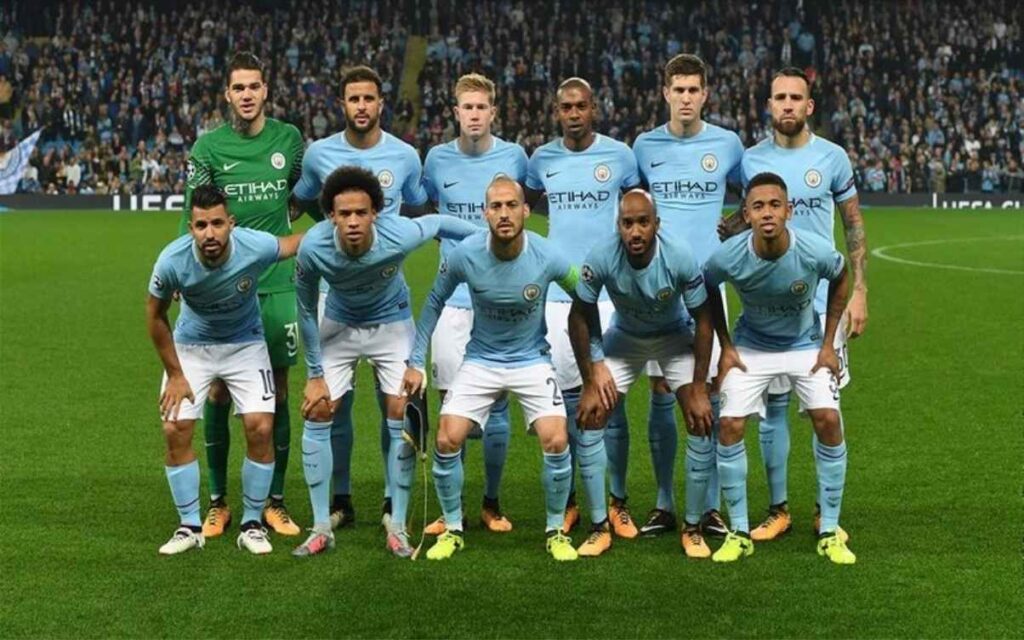

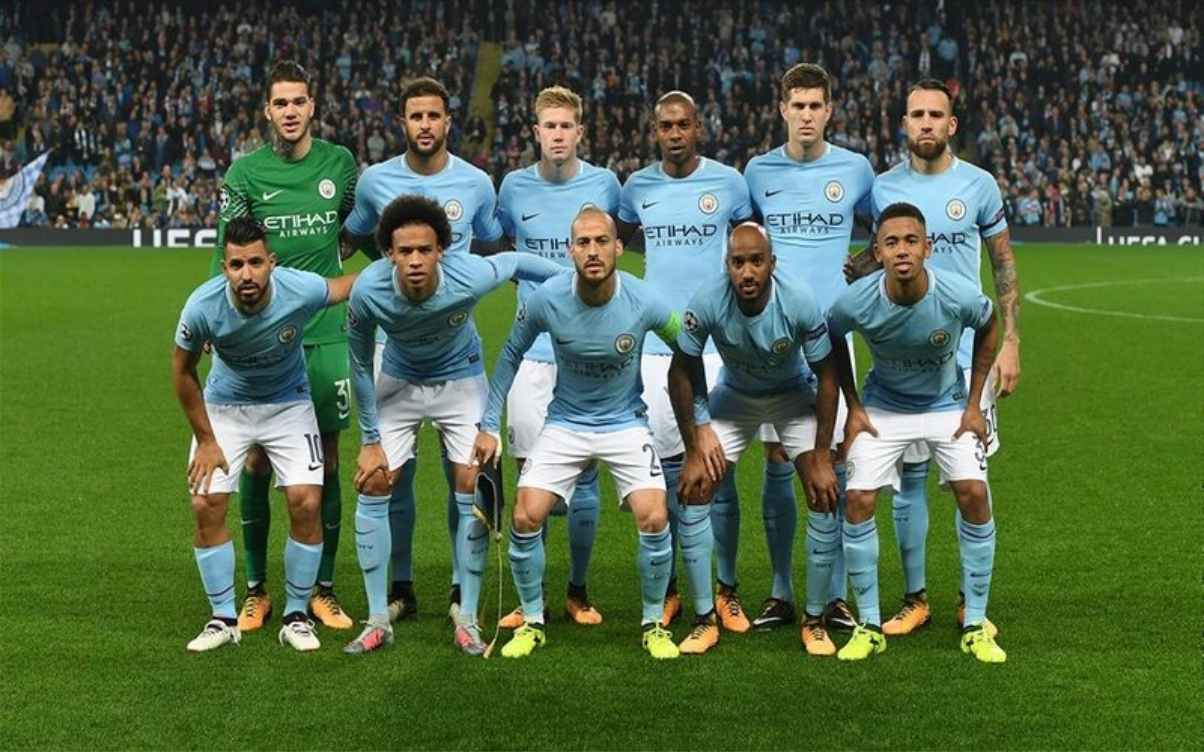
The history of Manchester City is a story of resilience, transformation, ambition, and extraordinary growth. From relatively humble beginnings in Manchester, the club has developed into one of the biggest forces in English and European football.
Their journey has included early domestic success, difficult periods of relegation, major financial change, and eventually an era of sustained dominance at the highest level. For supporters who want to follow Manchester City and other major football clubs, Xoilac TV provides access to football-related content and match coverage.
Understanding Manchester City’s history helps explain how the club evolved from a modest local side into the modern powerhouse known around the world today.
Manchester City’s history reflects more than a century of change, setbacks, recovery, and success.
The Early Years of Manchester City
Manchester City’s origins can be traced back to 1880, when the club was founded as St. Mark’s in the Gorton area of Manchester.
The team was established by members of St. Mark’s Church, with football used in part as a way to bring members of the local community together and provide organized recreational activity.
This period marked the beginning of what would eventually become the long history of Manchester City.
In 1887, the club moved to a new ground and became known as Ardwick AFC. Several years later, following financial restructuring, the club officially adopted the name Manchester City Football Club in 1894.
That change helped establish the identity that the club continues to carry today.
Manchester City traces its roots back to 1880.
Major Turning Points in Manchester City’s History
Manchester City’s rise was far from straightforward.
The club experienced domestic success, financial difficulties, relegations, rebuilding periods, and dramatic changes in ownership before eventually reaching the top of English football.
Long-time supporters often revisit classic games and hightlight bóng đá to remember important moments from different eras of the club’s history.
Several periods stand out as especially important in Manchester City’s development.
Early League Success and Domestic Trophies
Manchester City enjoyed significant success long before the modern Premier League era.
During the first half of the 20th century, the club began establishing itself as a serious force in English football.
City won their first top-flight league championship in the 1930s and later experienced another successful period in the late 1960s and early 1970s.
These teams helped establish an attacking identity and gave generations of supporters memorable achievements to celebrate.
Those early trophies remain an important part of the history of Manchester City, proving that the club had already enjoyed meaningful domestic success decades before its modern transformation.
The Difficult Years and Relegation
Manchester City’s history also includes one of the most dramatic declines experienced by a major English club.
During the 1980s and 1990s, inconsistent performances, managerial changes, and problems behind the scenes contributed to a prolonged period of instability.
The situation became especially difficult in the late 1990s when Manchester City fell into the third tier of English football.
For supporters accustomed to seeing the club compete at the highest level, this was one of the lowest points in its history.
However, the club’s recovery from that position also became an important part of its identity.
Manchester City eventually earned promotion and gradually worked its way back toward the Premier League.
This period showed the strength of the club’s support and demonstrated how quickly football fortunes can change.
The 2008 Takeover and a New Era
One of the biggest turning points in the history of Manchester City came in 2008.
The club was purchased by the Abu Dhabi United Group, beginning a completely new era.
The new ownership brought major investment into the playing squad, training facilities, academy structure, recruitment, and overall football operation.
Manchester City began signing increasingly high-profile players and building a squad capable of challenging the traditional leaders of English football.
The transformation was not limited to transfer spending.
The club invested heavily in infrastructure and long-term development, creating the foundations for sustained success rather than focusing only on immediate results.
This strategy eventually turned Manchester City into a regular title contender.
The Rise to Premier League Dominance
Manchester City’s modern rise was confirmed dramatically during the 2011–12 Premier League season.
The club won the league title in extraordinary fashion, scoring late against Queens Park Rangers on the final day to secure the championship.
That moment became one of the most famous finishes in Premier League history.
The victory represented far more than a single trophy.
It announced Manchester City as a genuine force capable of competing consistently for England’s biggest honours.
More domestic trophies followed, and the club gradually became one of the dominant teams of the Premier League era.
The Pep Guardiola Era
The arrival of Pep Guardiola in 2016 opened another major chapter in the history of Manchester City.
Guardiola introduced an extremely demanding style based on possession, positional movement, aggressive pressing, technical quality, and complete control of space.
Under his leadership, Manchester City developed into one of the most tactically sophisticated teams in world football.
The club began setting new standards for consistency in the Premier League, collecting numerous domestic trophies and producing seasons of remarkable quality.
City’s football became known for patient build-up play, intelligent movement between the lines, full-backs moving into midfield, and attacking players constantly rotating positions.
The tactical structure gave City the ability to dominate possession while still creating large numbers of scoring opportunities.
Manchester City’s Historic Treble
One of the greatest achievements in Manchester City’s history came during the 2022–23 season.
The club won the Premier League, FA Cup, and UEFA Champions League in the same campaign.
Winning the Champions League was particularly significant because European success had remained one of the major goals of the modern Manchester City project.
The treble represented the culmination of years of investment, squad development, tactical evolution, and consistent domestic success.
It also strengthened Manchester City’s position among the elite clubs of European football.
Manchester City’s modern era has produced some of the most successful seasons in the club’s history.
Manchester City’s Playing Identity
Modern Manchester City is strongly associated with attacking football and possession-based control.
The team regularly attempts to dominate the ball, move opponents out of position, and create space through intelligent passing and movement.
Players are expected to understand multiple positions rather than remaining fixed in traditional roles.
Central defenders may move forward into midfield, full-backs can play inside, midfielders may operate close to the penalty area, and attacking players constantly exchange positions.
This flexibility has become one of the defining characteristics of Manchester City’s tactical identity.
Supporters watching hightlight bóng đá from important City matches can often see these patterns clearly in goals created through patient passing, quick combinations, and movement around the penalty area.
Investment in Youth Development and Infrastructure
Manchester City’s modern transformation has not focused only on established stars.
The club has also invested heavily in youth development and training facilities.
The City Football Academy became an important part of Manchester City’s long-term strategy.
Its facilities were designed to support both the first team and youth development, giving young players access to high-level coaching and infrastructure.
The emergence of academy graduates into the first team has strengthened this approach.
Players developed within the club’s own system have demonstrated that Manchester City’s strategy includes producing talent as well as buying established players.
This combination of youth development and experienced international footballers has helped create greater depth throughout the squad.
Manchester City’s Supporters
Manchester City’s supporters have played an important role throughout the club’s history.
Their loyalty became especially noticeable during the difficult periods when the club was competing outside England’s top division.
Even during challenging seasons, large numbers of supporters continued attending matches and following the team.
That relationship between club and community remains an important part of Manchester City’s identity.
Traditional songs, local culture, and the club’s Manchester roots continue to influence the atmosphere around the team despite its increasingly global fan base.
Modern success has expanded Manchester City’s following across different continents, but the club’s historical connection to Manchester remains central to its story.
From Maine Road to the Etihad Stadium
For many decades, Manchester City’s home was Maine Road.
The stadium played an important role in the club’s history and remains strongly associated with several generations of City supporters.
Manchester City moved to their current stadium in 2003.
The venue later became known as the Etihad Stadium and has since been closely associated with the club’s most successful modern period.
The move reflected Manchester City’s broader development into a club with larger ambitions, improved facilities, and an increasingly international profile.
How Manchester City Became a Global Football Brand
Success on the pitch has significantly increased Manchester City’s international profile.
Premier League titles, Champions League performances, world-class players, and the global popularity of English football have helped the club attract supporters from many countries.
Manchester City’s modern branding, international partnerships, commercial growth, and connection with the wider City Football Group have also expanded the club’s influence.
Today, supporters can follow Manchester City’s games, news, tactical developments, and historical moments through different football platforms, including Xoilac TV.
The club has moved far beyond its earlier status as a local English side and now operates as one of football’s most recognizable global organizations.
Why Manchester City’s History Is So Remarkable
Manchester City’s story is unusual because of the extreme contrast between different periods in its history.
The same club that competed in England’s third tier during the late 1990s later became Premier League champion and eventually European champion.
That transformation involved more than financial investment.
It required improved management, recruitment, coaching, infrastructure, tactical development, and long-term planning.
Modern Manchester City may be known for elite players and major trophies, but understanding the difficult periods that came before this success gives the club’s rise much greater context.
Conclusion
The history of Manchester City is one of the most dramatic transformation stories in modern football.
From its beginnings as St. Mark’s in 1880 to periods of domestic success, painful relegations, financial change, Premier League dominance, and European glory, the club has experienced almost every possible side of professional football.
Manchester City’s modern achievements have turned the club into one of the leading teams in world football, while its earlier struggles remain an important part of its identity.
The story continues to develop with every new season, trophy, player, and generation of supporters. For football fans, Manchester City’s journey provides a fascinating example of how a club can evolve dramatically while still carrying more than a century of history behind it.