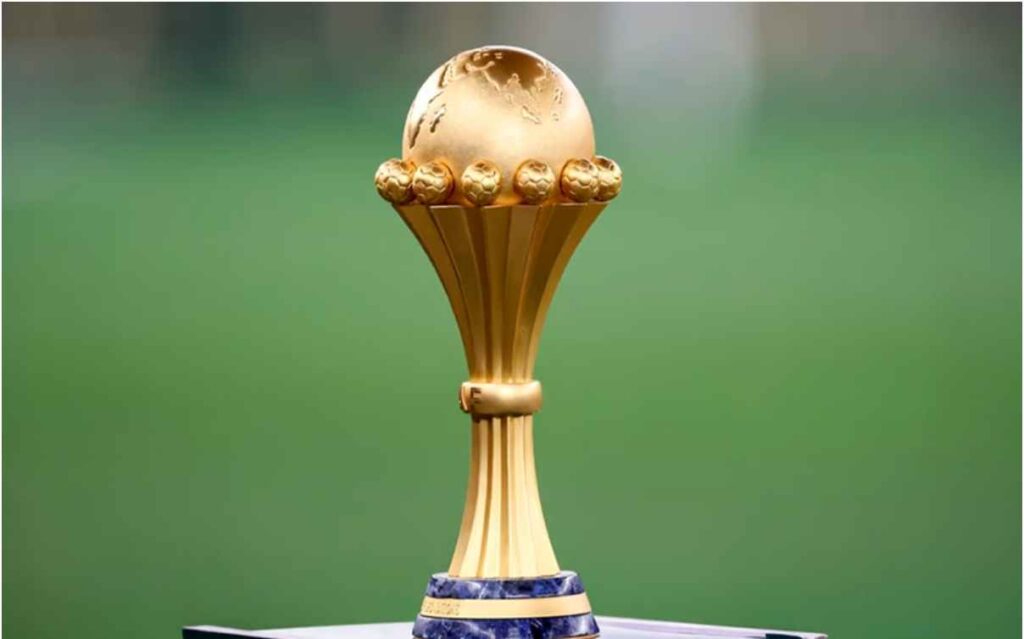

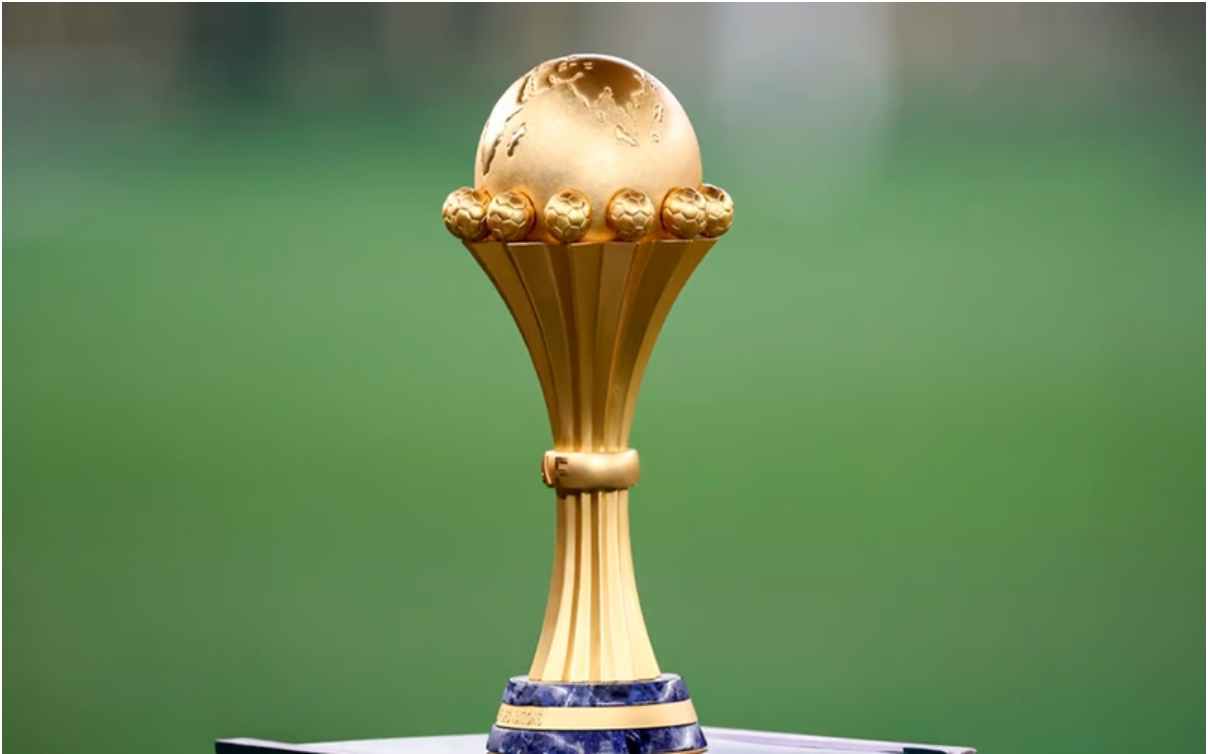
Africa is known for producing footballers with exceptional speed, strength, technique, and creativity. The continent is also home to one of the most prestigious international football competitions in the world: the Africa Cup of Nations.
For football fans asking what is the Africa Cup of Nations, the tournament is the leading national-team competition in African football. It brings together the strongest countries on the continent, with many famous players returning from their European clubs to represent their nations and compete for continental glory.
Passionate supporters, physical football, dramatic matches, and unexpected results have created a unique identity for the competition. Through football platforms such as Xôi Lạc Live, Vietnamese fans can follow fixtures, results, and major developments from Africa’s biggest international football tournament.
AFCON is the most prestigious national-team football competition in Africa.
What Is the Africa Cup of Nations and Who Organizes It?
The Africa Cup of Nations, commonly abbreviated as AFCON, is the main international football championship for senior men’s national teams in Africa.
It is organized by the Confederation of African Football, commonly known as CAF.
The simplest answer to the question “What is the Africa Cup of Nations?” is that it is Africa’s continental championship for national teams.
In terms of importance, AFCON can be compared with the UEFA European Championship in Europe, Copa América in South America, and the AFC Asian Cup in Asia.
National teams representing CAF member associations compete through qualification for a place in the final tournament, where the eventual champion of Africa is decided.
AFCON matches attract significant attention because many participants play for leading clubs across Europe and other major football leagues. Fans can follow team news, expected lineups, player form, and match information through platforms such as Xôi Lạc Live before major fixtures.
History of the Africa Cup of Nations
Understanding the history of AFCON provides greater context for anyone asking what is the Africa Cup of Nations.
The idea of establishing a continental African football tournament developed during discussions involving African football representatives in the 1950s.
The Confederation of African Football was founded in 1957, and the first Africa Cup of Nations was held in Sudan that same year.
Egypt, Sudan, Ethiopia, and South Africa were among the countries involved in the early development of African international football, although the inaugural tournament eventually featured only three participating teams.
Over the following decades, AFCON continued to expand in size, competitiveness, and global influence.
The tournament gradually increased from only a handful of participants to 8 teams, then 12, 16, and eventually 24.
The finals were expanded to 24 teams from the 2019 edition, representing another important stage in the development of African football.
Historic matches, memorable goals, championship celebrations, and highlight bóng đá from previous AFCON tournaments allow supporters to revisit some of the competition’s most important moments before each new edition begins.
Africa Cup of Nations Tournament Format
Another important part of understanding what the Africa Cup of Nations is involves knowing how the competition works.
Under the 24-team format, the participating national teams are divided into six groups containing four teams each.
Every team plays the other three teams in its group once.
After the group stage, the top two teams from each group qualify automatically for the Round of 16.
They are joined by the four best third-placed teams.
From the Round of 16 onwards, AFCON becomes a knockout competition consisting of:
- Round of 16
- Quarter-finals
- Semi-finals
- Third-place match
- Final
Under this format, the tournament contains 52 matches in total.
Allowing the strongest third-placed teams to progress makes the group stage particularly unpredictable.
A country that struggles in its opening match may still have an opportunity to qualify, while teams that collect early points cannot always assume that progression is guaranteed.
Goal difference, goals scored, and other ranking criteria can therefore become extremely important during the final group matches.
Fans watching highlight bóng đá from the competition can often see how a single late goal completely changes the qualification picture.
Why Is AFCON So Exciting?
Once supporters understand what the Africa Cup of Nations is, it becomes easier to appreciate why the competition has developed such a strong identity.
One of AFCON’s most noticeable characteristics is the physical quality of many participating teams.
African national sides are often associated with speed, strength, powerful running, quick transitions, and aggressive competition for possession.
However, AFCON is not simply about physical football.
African football also features significant individual creativity.
Players are often willing to attempt difficult dribbles, long-range shots, unpredictable passes, and moments of individual skill capable of changing a match instantly.
Another major attraction is unpredictability.
The gap between traditional favourites and supposedly weaker nations is not always as large as expected once the tournament begins.
A country without many internationally famous players can still progress deep into the competition through organization, teamwork, discipline, and efficient finishing.
This uncertainty becomes even more noticeable during the knockout rounds, when a set piece, counter-attack, defensive mistake, or penalty shootout can determine which nation continues its championship journey.
Most Successful and Famous AFCON Teams
A complete explanation of what the Africa Cup of Nations is should also mention the national teams that have helped shape the tournament’s history.
Several countries have developed particularly strong AFCON traditions, including:
Egypt, Cameroon, Ghana, Nigeria, Algeria, Senegal, Ivory Coast, and Morocco.
Egypt has historically been one of the competition’s most successful nations, while countries such as Cameroon, Ghana, Nigeria, and Ivory Coast have also enjoyed major periods of continental success.
AFCON regularly features footballers who play in the Premier League, La Liga, Serie A, Bundesliga, Ligue 1, and other major competitions around the world.
When these players return to international duty, they carry enormous expectations.
Representing a country at AFCON is very different from playing club football because national pride, local expectations, and the emotional importance of the tournament create a unique type of pressure.
However, having the biggest stars does not guarantee success.
Weather conditions, travel, injuries, tactical preparation, squad chemistry, and the short amount of time national teams spend together can all influence tournament performance.
AFCON vs the World Cup and European Championship
Some football supporters asking what the Africa Cup of Nations is may initially confuse AFCON with the FIFA World Cup.
The main difference is the geographic scope of the competitions.
The FIFA World Cup includes qualified national teams from several continents, while AFCON is a continental championship involving African national teams affiliated with CAF.
AFCON is therefore more comparable to the UEFA European Championship.
Both competitions are designed to determine the strongest national team within their respective continents.
However, the playing styles and atmosphere can differ considerably.
European Championship matches are often associated with highly structured tactical systems and disciplined positional football.
AFCON, while also tactically sophisticated, is frequently characterized by powerful transitions, individual creativity, physical competition, emotional intensity, and unexpected results.
The cultural atmosphere surrounding AFCON is another important part of its identity.
Colourful clothing, national flags, traditional music, drums, dancing, and distinctive supporter celebrations often turn matches into major cultural events rather than simply sporting contests.
That atmosphere has helped AFCON maintain its own personality even as modern football becomes increasingly globalized.
Famous Players Who Have Appeared at AFCON
The Africa Cup of Nations has featured many legendary African footballers throughout its history.
Players such as Samuel Eto’o, Didier Drogba, Yaya Touré, Jay-Jay Okocha, Mohamed Salah, Sadio Mané, Riyad Mahrez, and numerous other stars have represented their countries in the competition.
For many African footballers, winning AFCON is one of the greatest achievements available at international level.
Even players who have won major European club competitions often speak about the special significance of representing their country.
This emotional connection contributes greatly to the intensity of AFCON matches.
A player may spend most of the season competing alongside teammates from different countries before suddenly facing them as opponents while representing their respective nations.
Why AFCON Results Can Be Difficult to Predict
AFCON has developed a reputation for producing surprising results.
There are several reasons for this.
National teams spend much less time training together than club sides, which means coaches must build tactical understanding quickly.
Conditions can also vary depending on the host country, while injuries or unavailable players can dramatically affect the balance of a squad.
Some teams enter the tournament with several players competing regularly at elite European clubs, while others rely more heavily on domestic-league players.
However, this difference in individual reputation does not always determine results.
A well-organized national team can frustrate a stronger opponent by defending compactly, winning physical battles, and taking advantage of counter-attacking opportunities.
This is one reason football supporters should avoid judging AFCON fixtures only by the number of famous players in each squad.
How to Follow the Africa Cup of Nations
After understanding what the Africa Cup of Nations is, supporters who want to follow the tournament should start by checking the official fixture schedule.
Kick-off times can be particularly important for international viewers because matches may take place late at night depending on the viewer’s location.
Before each match, it can also be useful to check:
- Recent team form
- Injuries and suspensions
- Expected starting lineups
- Head-to-head results
- Previous tournament performances
- Group standings
Platforms such as Xôi Lạc Live can help fans follow football-related updates, schedules, match developments, and results.
Supporters who cannot watch every game may also use highlight bóng đá content to review goals and important moments after the final whistle.
Following the tournament from the group stage can make the knockout rounds even more interesting because supporters gradually become familiar with each team’s tactical approach, strongest players, and weaknesses.
The Cultural Importance of AFCON
AFCON is more than a football tournament.
For many participating countries, it is a major expression of national identity.
The tournament provides supporters with an opportunity to celebrate their culture while supporting players representing their country on one of Africa’s biggest sporting stages.
Entire cities can become covered in national colours during major matches.
Families gather together to watch games, supporters organize public viewing events, and victories can create celebrations that continue long after the final whistle.
The tournament also gives African football an opportunity to showcase its quality to a worldwide audience.
Young players can attract international attention, established stars return to represent their countries, and emerging national teams can build new reputations through strong performances.
These factors make AFCON important both competitively and culturally.
Conclusion
So, what is the Africa Cup of Nations?
The Africa Cup of Nations is Africa’s leading international football championship for national teams and is organized by the Confederation of African Football.
Since the first tournament in 1957, AFCON has grown from a small competition into one of international football’s most important continental events.
Its combination of famous players, passionate supporters, tactical battles, physical football, dramatic knockout matches, and unexpected results gives the tournament a character unlike any other.
AFCON is not only about deciding which country becomes African champion. It also represents national pride, football culture, and the shared passion of millions of supporters across the continent and around the world.
Through platforms such as Xôi Lạc Live, football fans can continue following the teams, matches, and memorable moments that make the Africa Cup of Nations one of the world’s most fascinating international football tournaments.