
A football team filled with star players is not guaranteed to win if it lacks organization. At the same time, an average team can still produce surprising results when every player understands the system and performs the right role.
This is why understanding 11-a-side football tactics can help fans see a match from a deeper perspective. It becomes easier to understand how a team moves, presses, defends, builds attacks, and switches quickly between different phases of play.
It is also why many football fans following bong da truc tiep dem nay on Xoilac Z are interested in more than just the final score. They also want to understand how teams set up tactically and why certain approaches work against particular opponents.
11-a-side football formations are an important part of building a successful team.
What Are 11-a-Side Football Tactics?
11-a-side football tactics refer to the system a team uses to organize its players, assign individual roles, and decide how the team should operate during different stages of a match.
An effective tactical system does more than help a team control possession. It can maximize the strengths of individual players, reduce the impact of weaknesses, and help exploit spaces left by the opposition.
In modern football, tactics rarely remain the same for an entire 90-minute match.
A team may defend in a 4-4-2 shape, attack in a 3-2-5 structure, and press the opposition using something closer to a 4-2-3-1 formation.
This flexibility makes modern football tactics more demanding. Players need good positional awareness, the ability to read situations quickly, and an understanding of how their teammates are expected to move.
When checking tỷ lệ kèo bóng đá trực tiếp on Xoilac Live while following matches, fans may also notice how stronger teams can change from defence to attack within only a few seconds.
The Role of Formations in 11-a-Side Football
A team’s formation is one of the basic foundations of 11-a-side football tactics.
Popular formations such as 4-3-3, 4-2-3-1, 3-5-2, and 4-4-2 all have their own strengths and weaknesses.
The 4-3-3 formation is commonly used by teams that want to control possession while using fast wide players to stretch the opposition’s defence.
A 4-2-3-1 formation can provide greater balance between attack and defence because two deeper midfielders can protect the back line while allowing attacking players more freedom further forward.
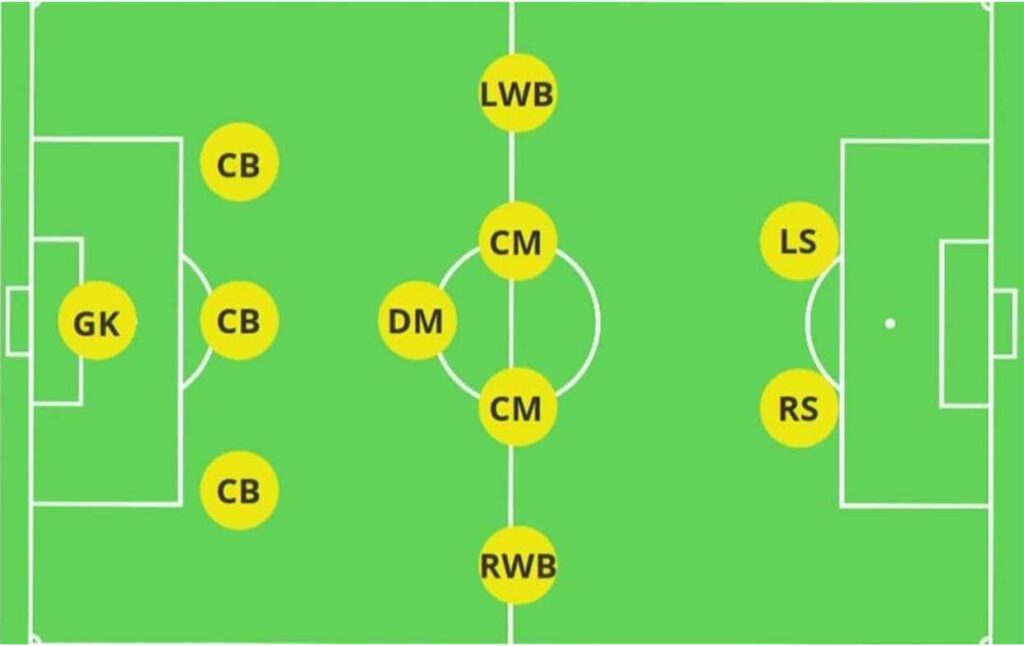
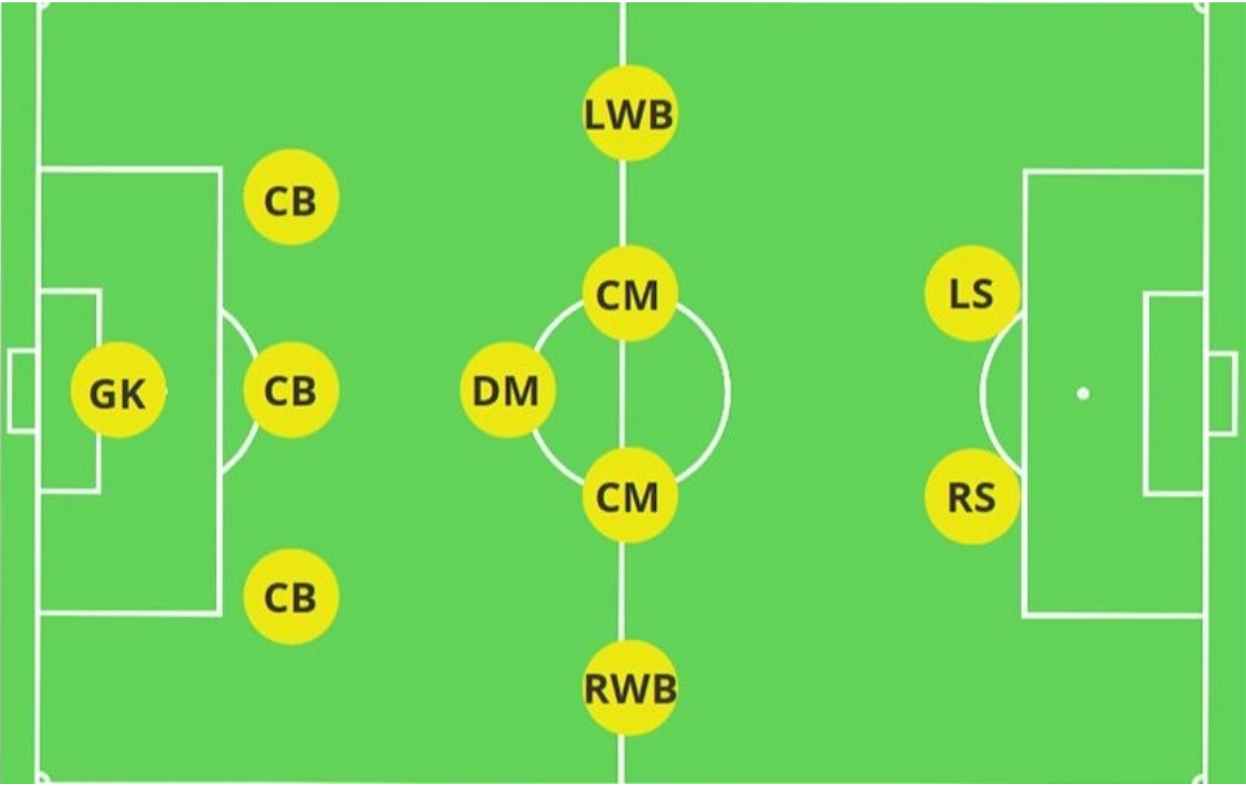
With a 3-5-2 formation, a team can create a numerical advantage in midfield while relying on two wing-backs to provide width in both attacking and defensive situations.
However, problems can arise when those wide areas are exposed. If the wing-backs move too far forward and possession is lost, the opposition may find space behind them.
For this reason, choosing a formation should not depend only on the manager’s preferred style. The quality of the players, the opposition, and the objective of the match should all influence the tactical setup.
Understanding football formations helps supporters follow matches more closely and improves the overall viewing experience.
Possession-Based Football Tactics
Possession football is one of the most recognizable styles in modern 11-a-side football.
The main idea is to keep the ball, circulate it intelligently, move the opposition around the pitch, and eventually create space for an attack.
Teams that play possession-based football often need centre-backs who are comfortable with the ball, intelligent central midfielders, and attacking players who constantly move into useful positions.
One major advantage of possession football is that it gives a team greater control over the rhythm of the match.
Keeping the ball can also reduce the amount of defensive pressure a team faces while providing more opportunities to build attacks patiently.
However, possession alone does not guarantee chances or goals.
If the passing is too slow or predictable, a team may have plenty of the ball without creating meaningful opportunities. Football fans regularly see matches where one side dominates possession but struggles to break down a compact defensive structure.
Counter-Attacking Football
Counter-attacking football is a common approach for teams that do not want to take unnecessary risks by pushing too many players forward.
Within 11-a-side football tactics, this style requires a team to remain compact, protect central areas, and wait for an opportunity to attack quickly after winning possession.
Once the ball is recovered, players try to move it forward immediately, often looking for a fast striker or winger before the opposition has enough time to reorganize.
The main strength of counter-attacking football is its directness.
It can be particularly effective against stronger teams that dominate possession and push many players into advanced positions.
One well-executed counter-attack can completely change a match.
However, successful counter-attacking requires concentration, accurate forward passing, disciplined defending, and attacking players who can make good decisions at speed.
High Pressing in Modern Football
High pressing has become an important part of modern football tactics.
Instead of dropping deep and allowing the opposition to build attacks comfortably, a team can press aggressively in the opponent’s half and attempt to regain possession as close to goal as possible.
When high pressing works properly, it can create dangerous scoring opportunities before the opposition has time to establish its defensive shape.
However, high pressing also carries significant risks.
If one player presses at the wrong moment or the structure becomes disconnected, the opposition may play through the pressure and attack the open space behind the defensive line.
For this reason, high pressing requires excellent fitness, coordination, communication, and tactical discipline.
Many leading European teams use pressing not only as a defensive tool but also as an important method of creating attacking opportunities.
The Role of Each Position in 11-a-Side Tactics
For 11-a-side football tactics to work effectively, every part of the team must perform its own responsibilities.
Modern goalkeepers are no longer expected only to stop shots. They are increasingly involved in building attacks from the back and may act as an additional passing option when the opposition presses.
Centre-backs need to defend effectively while also being capable of short passing, long passing, covering teammates, and making good decisions under pressure.
Full-backs have also become more influential in attacking play. Depending on the tactical system, they may overlap, move into midfield, deliver crosses, or provide width on the outside.
Central midfielders are often responsible for controlling the tempo.
They decide when the team should speed up the attack, keep possession, switch play to the opposite side, or slow the game down.
Modern forwards also contribute more than goals.
A striker may press defenders, move into deeper areas to receive the ball, occupy centre-backs, or create space for teammates making runs from midfield.
It is the connection between these different roles that eventually creates a team’s tactical identity.
Knowing the tactical system a team is using can also help supporters understand how its approach may change during the second half.
Transitions: A Key Part of Modern Football
Transitions are one of the most important elements of modern 11-a-side football tactics.
A transition occurs when a team either loses possession or wins the ball back.
When possession is lost, the players must react quickly to prevent the opposition from launching a dangerous counter-attack.
When possession is recovered, a quick attacking transition can create an opportunity before the opposing defence has enough time to reorganize.
Many high-level matches are decided during these few seconds.
One pass that breaks a press, a perfectly timed forward run, or a quick shot can completely change the direction of a match.
This is why coaches constantly ask players to remain focused even when their own team is controlling possession.
How to Choose the Right Football Tactics
There is no single tactical system that works for every 11-a-side football team.
Successful teams need the ability to adapt to different opponents and situations.
Against a strong pressing team, for example, players may need to escape pressure through quick short passes or play longer balls into the space behind the opposition’s defensive line.
Against a team defending with a low block, patience may be more important. The attacking side may need to move the ball from one side to another, use wide areas, create overloads, and take advantage of set pieces.
Tactics should also suit the players available.
A team without creative midfielders may struggle if its entire approach depends on controlling possession through the centre.
A team with very fast forwards may benefit from direct football and counter-attacks.
Teams with strong aerial players can also make greater use of crosses, corners, and free kicks.
The best football tactic is therefore not necessarily the most complicated one. It is the system that allows the available players to perform at their highest level.
Why Should Football Fans Understand Tactics?
Understanding 11-a-side football tactics can make watching football much more interesting.
Instead of focusing only on goals, fans can begin to recognize why one team is dominating another, why a full-back is constantly moving forward, or why a striker regularly drops into midfield to receive the ball.
Fans can also understand why a team suddenly changes formation after taking the lead or why a manager asks players to press more aggressively during certain periods of the match.
Learning these tactical details provides a clearer view of what is happening beyond the ball itself.
Matches involving well-organized tactical systems can produce fast transitions, intelligent movement, and many dangerous attacking situations.
Conclusion
11-a-side football tactics are at the heart of how a modern team performs.
Tactics influence how a team attacks, defends, presses, controls possession, manages space, and moves between different phases of the game.
Football will always contain moments of individual brilliance and unpredictability, but a strong tactical structure gives teams the organization needed to perform consistently.
For supporters, understanding football tactics does more than make matches easier to follow. It provides a deeper appreciation of the decisions, movements, and tactical details that shape what happens on the pitch.