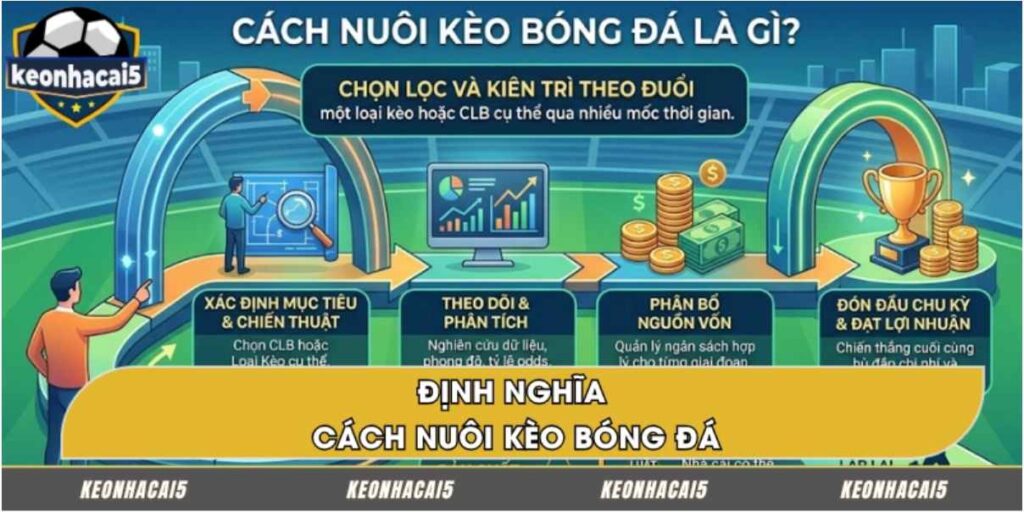


Following football betting markets over time requires more than choosing a team and waiting for the result. Odds can move, lineups can change, injuries may be confirmed late, and a match that looked attractive in the morning may look very different shortly before kickoff.
A structured approach helps bettors avoid making decisions based only on emotion or short-term market movement. Instead of reacting to every change, the idea is to establish a reason for a selection, follow the information surrounding the match, and know when the original assessment should be reconsidered.
This is particularly important when following Asian Handicap, Over/Under, corners, or other football markets where several factors can influence the available line.
Start With the Match, Not the Odds
One common mistake is searching for attractive odds first and only then looking for reasons to support the selection.
A stronger process starts with the football match itself.
Before considering a market, look at how both teams have been performing. Recent results can provide useful information, but the scoreline alone rarely tells the whole story. A team may have won three consecutive matches while struggling to create chances, while another may have lost despite producing strong attacking performances.
Useful areas to examine include:
- Home and away performances
- Goals scored and conceded
- Quality of recent opponents
- Injuries and suspensions
- Expected starting lineups
- Rest periods between matches
- Tactical strengths and weaknesses
Once these factors have been reviewed, it becomes easier to decide whether a particular betting market matches the expected pattern of the game.
Choose One Market You Understand
Trying to analyse every available betting market at the same time can make the process unnecessarily complicated.
Asian Handicap, Over/Under, 1X2 and corner markets do not always respond to the same information.
For example, a missing striker may reduce a team’s chances of winning, but it could be even more important when assessing an Over/Under goals market. Likewise, a team that regularly attacks through wide areas may be interesting for corner analysis even if its overall scoring record is average.
When using keo nha cai 5 as part of the research process, it is more useful to compare the available market with your own football analysis than to assume that a particular line automatically represents the correct choice.
Specialising in one or two familiar markets can also make it easier to identify patterns and mistakes over time.
Write Down Why You Like the Selection
A football selection should have a reason behind it before money is involved.
A simple approach is to write down three or four points supporting the original analysis.
For example:
- The home team performs significantly better at home.
- The away side is missing an important defender.
- The home team has had more recovery time.
- The current handicap still reflects a reasonably competitive match.
Writing these reasons down creates a reference point.
If something changes later, you can compare the new information with the original analysis rather than making an impulsive decision.
This also prevents a common problem where bettors change the reason for their selection after the market starts moving.
Understand What Odds Movement Actually Means
Odds and handicap lines can change for many reasons.
Suppose a team opens at -0.50 and later moves to -0.75. It is easy to look at that change and assume the market is confirming that the favourite will win.
That conclusion is too simple.
The movement may be connected to team news, betting activity, injuries, lineup expectations or a wider market adjustment. The important question is not simply whether the line moved, but why it moved.
If there is no obvious new football information, chasing the movement may create more risk rather than more certainty.
On the other hand, if the change follows confirmed team news that materially affects the match, it may be reasonable to reassess the original position.
Odds movement should therefore be treated as information to investigate, not as a guaranteed prediction.
Pay Close Attention to Confirmed Lineups
Predicted lineups are useful during early analysis, but official team sheets can completely alter the picture.
A team may rest its main striker, replace two midfielders or change formation unexpectedly. A defender listed as doubtful throughout the week may eventually start, while another important player could be left out without much advance warning.
The replacement also matters.
Simply saying that a player is absent does not explain the full effect. If the substitute offers similar quality, the impact may be limited. If the replacement changes the team’s tactical balance, the original betting assessment may require more serious reconsideration.
For this reason, final lineup information is one of the most useful checkpoints before kickoff.
Consider the Match Schedule
Football teams do not play every match under identical physical conditions.
A club that played an intense European match three days earlier may approach a domestic fixture differently from an opponent that has enjoyed a full week of preparation.
Fixture congestion can lead to:
- Player rotation
- Reduced pressing intensity
- Changes in attacking tempo
- Greater fatigue late in matches
- Tactical adjustments designed to conserve energy
The next fixture can matter too.
A manager preparing for an important cup or continental match may make decisions with that upcoming game in mind.
Looking at both the previous and next fixtures gives more context than analysing the current match in isolation.
Set Conditions That Would Make You Change Your Mind
A good betting plan should not only explain why you like a selection. It should also establish what would make you abandon it.
This is one of the most useful ways to avoid becoming emotionally attached to a prediction.
For example, you might decide that your original selection is no longer attractive if:
- A key attacker is unexpectedly ruled out.
- The handicap moves beyond the price you originally considered reasonable.
- Several important players are rested.
- Weather conditions significantly change the expected style of play.
- New information contradicts the original tactical analysis.
Changing your opinion after receiving meaningful new information is not a failure. It is part of disciplined decision-making.
Keep Stake Size Separate From Confidence
Confidence can change from one match to another, but that does not mean stake sizes should constantly rise and fall.
A bettor who feels extremely confident after several wins may begin increasing stakes too quickly. After a loss, the same person may increase the next stake again in an attempt to recover the money.
Both behaviours can create problems.
A predetermined bankroll makes the process easier to control. The total amount can be divided into smaller units, with each selection using only a limited portion.
Most importantly, a previous loss should not determine the amount risked on the next match.
Football matches are separate events. Losing one selection does not make the next one more likely to win.
Know When to Stop
Every betting plan needs a stopping point.
There may be occasions where too much important information has changed and the original analysis no longer makes sense. There may also be times when the predetermined bankroll limit has been reached.
In either situation, stopping is a reasonable decision.
Trying to recover previous losses by increasing stakes can turn a structured plan into loss chasing. Once that happens, decisions are being driven by previous results rather than the quality of the current opportunity.
No betting method removes uncertainty from football.
Record Both Winning and Losing Decisions
Keeping records can reveal weaknesses that are difficult to notice from memory alone.
A simple football betting journal might include:
- Match
- Market selected
- Opening line or odds
- Reason for the selection
- Important pre-match changes
- Final line before kickoff
- Match result
- Whether the original analysis was reasonable
The final point is particularly useful.
A winning bet can still come from poor analysis, while a losing bet can sometimes come from a reasonable decision that simply produced the wrong result.
Reviewing a larger sample helps separate the quality of the decision from the short-term outcome.
Over time, this makes it easier to identify which leagues, markets or match situations you understand best.
Build a Repeatable Process
The main benefit of learning cách nuôi kèo bóng đá is not finding a secret formula. It is creating a repeatable process for selecting matches, monitoring relevant information and reviewing decisions without constantly reacting to emotion.
A useful routine can be simple: analyse the match, choose the appropriate market, record the reasons for the selection, monitor important developments, check the official lineup and stay within a predetermined bankroll.
The same process should also include the willingness to walk away when the information no longer supports the original idea.
Conclusion
Following football betting markets with Kèo Nhà Cái 5 is more useful when approached as a process of analysis and risk management rather than a way to guarantee results.
Start by understanding the match before looking at the odds. Focus on markets you know well, identify the reasons behind each selection and pay attention to meaningful changes in team news, lineups and market prices.
Most importantly, establish limits before betting and avoid increasing stakes simply because a previous selection lost.
Football remains unpredictable. A disciplined approach cannot remove that uncertainty, but it can help bettors make more consistent, evidence-based decisions instead of relying on emotion or chasing short-term results.